Reforestation
Supporting small-holder farmers in Malawi
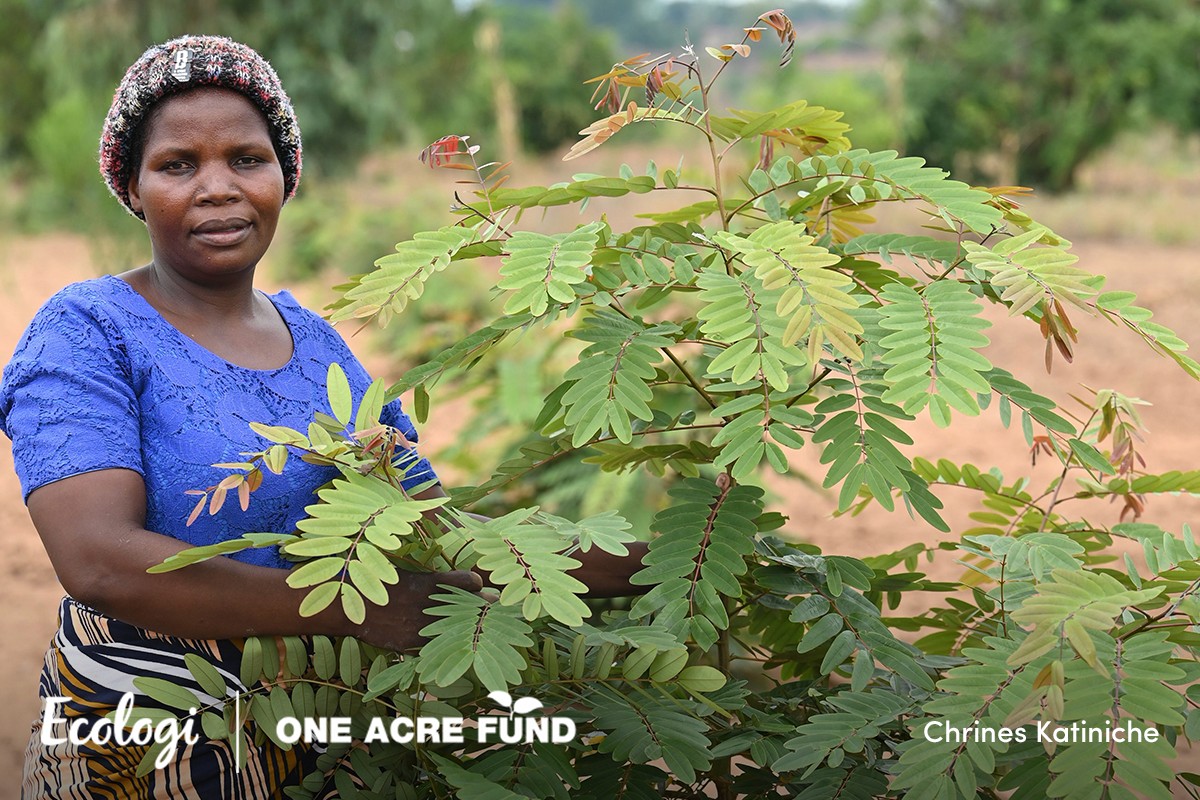
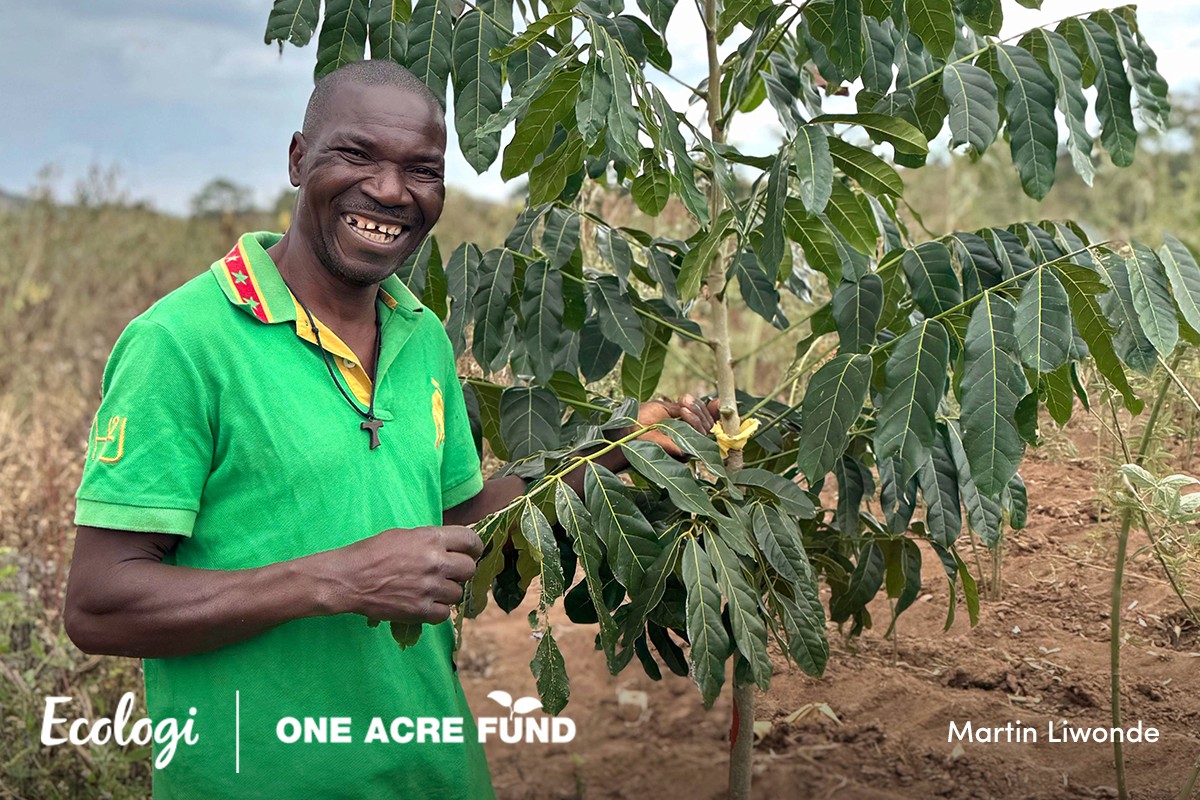
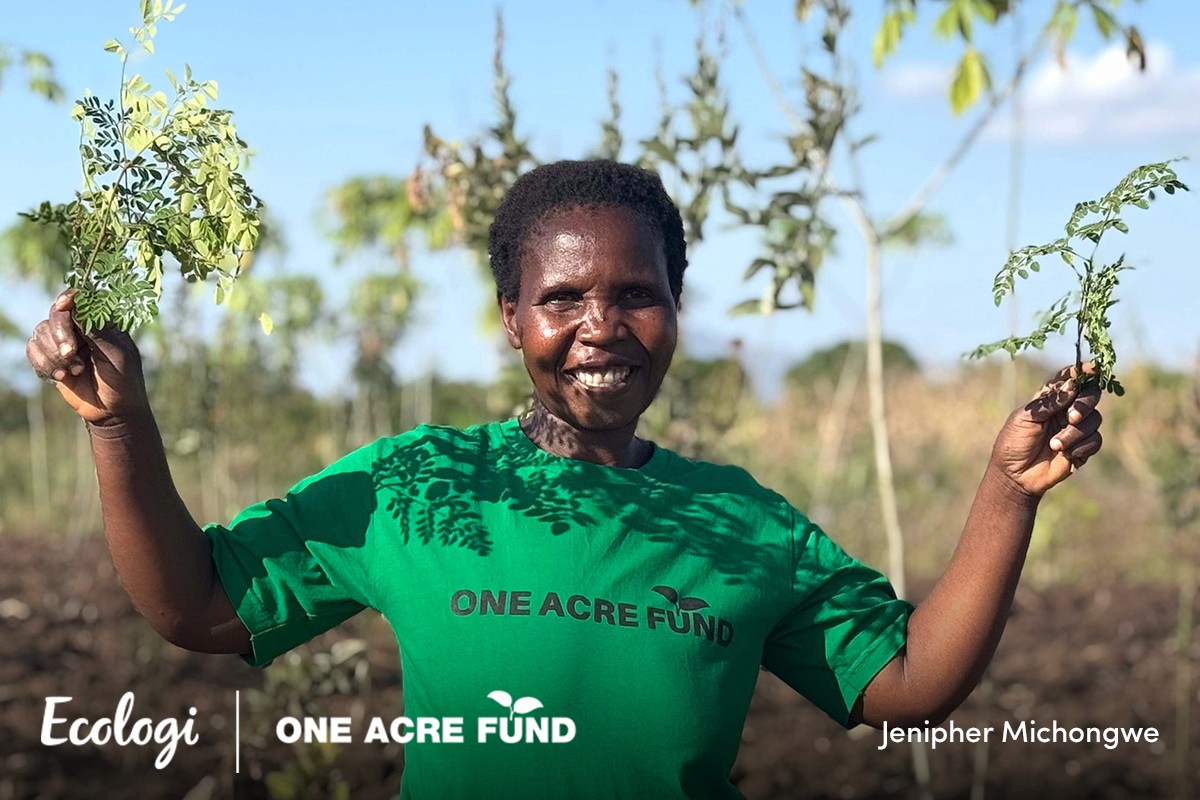
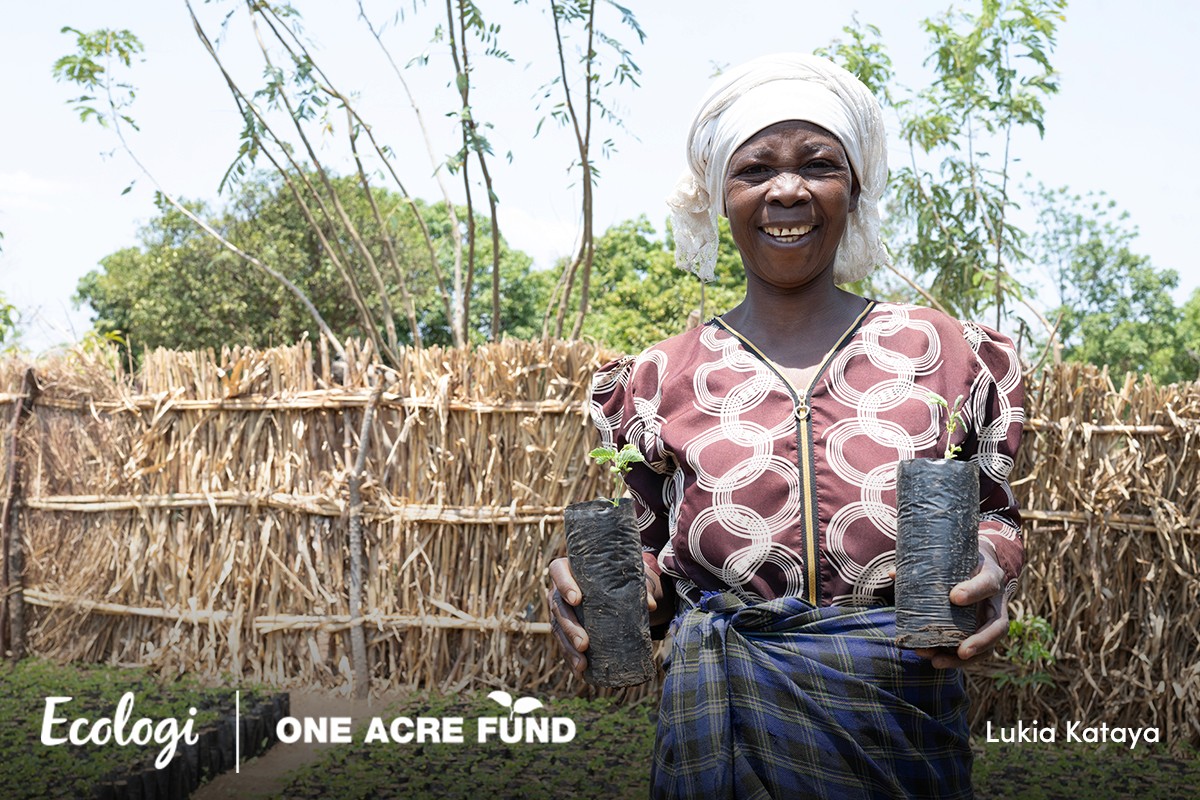
Agroforestry in Malawi
Trees play a critical role in supporting environmental health. They enrich soil, prevent erosion, improve water retention, and capture carbon. Since 2006, One Acre Fund has helped farmers plant more than 440 million trees across Africa and is working toward a goal of one billion trees by 2030. In Malawi, where nearly 70% of the population lives below the international poverty line, most families rely on small-scale agriculture yet face increasing climate shocks that threaten both incomes and food security.
This project will support the planting of 2 million trees in Malawi. Farmers will receive high-quality seedlings and hands-on training to integrate a mix of tree species into their croplands, restoring soil fertility, improving yields, and building long-term resilience. This includes an expanding portfolio of fruit trees, such as mango and avocado, designed to help ensure more consistent, year-round food availability while supporting climate mitigation and strengthening the long-term health of Malawi’s agricultural landscapes.
How Ecologi is monitoring biodiversity of this project
At Ecologi we're using the SEED Biocomplexity Index to track biodiversity. SEED is the world’s most comprehensive, integrative, and globally-standardised biodiversity monitoring framework, integrating 100+ measures of biodiversity to provide a holistic measure of biocomplexity, relative to minimally modified reference areas in the same ecoregion.
This agroforestry project in Kenya has a SEED index of 29%.
This project achieves a high genetic diversity, particularly among microbial and animal communities. The integration of fruit trees, including mango and avocado, across smallholder farmland creates a variety of microhabitats that support genetically diverse insect, bird, and small mammal populations. Below ground, the restoration of soil health through tree planting actively promotes the recovery of microbial genetic diversity, which had previously been suppressed by decades of intensive agriculture.
The low species diversity score reflects the heavily degraded agricultural landscape in which this project operates. This score is consistent with the project's primary objective: improving food security and farmer livelihoods through targeted agroforestry. As the project matures and tree cover expands, species diversity is expected to improve gradually over time.


How do we rate this project?
Through One Acre Fund’s training and follow-up support, farmers gain practical skills in agroforestry and climate-smart agriculture, empowering communities with knowledge that will continue to support them for generations.
For smallholder families, trees provide both immediate and long-term benefits. Improved soil health and microclimates result in higher and more reliable crop yields, thereby strengthening household food security and income.
In a region where climate volatility increasingly threatens livelihoods, these trees serve as a long-term natural defence system.
About
Live
2026
Agroforestry
1
2
13
Fund this project
Funded directly through our Global trees in our marketplace. Alternatively speak to a climate expert to support your wider climate action strategy.
Impact partner
One Acre Fund is an agricultural service provider that supports Africa's smallholder farmers to build resilient communities.